
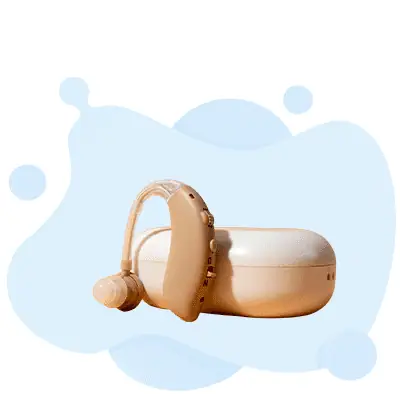
Hearing aids play a crucial role in enhancing the quality of life for individuals with hearing loss. As technology advances, obtaining a Hearing Aid Certification ensures that professionals are equipped with the necessary skills to fit, maintain, and recommend hearing aids effectively. Understanding the different certifications available is essential for both professionals and consumers seeking quality hearing healthcare.
Free Hearing Aid Practice Test Online
Key Takeaways
Hearing aids improve communication and quality of life for individuals with hearing loss.
Costs vary based on features and technology, ranging from $1,000 to $6,000 per device.
Hearing aids function by detecting, processing, and amplifying sound signals.
Obtaining a hearing aid involves professional evaluation, fitting, and maintenance.
What is a Hearing Aid?
A hearing aid is a small electronic device designed to amplify sound for individuals with hearing impairments. It consists of three primary components:
Microphone: Captures sound from the environment.
Amplifier: Increases the volume of sound signals.
Speaker: Delivers the amplified sound into the ear.
Hearing aids help users hear more clearly by amplifying sound waves and filtering background noise, improving communication and overall quality of life.

How Much Does a Hearing Aid Cost?
The cost of a hearing aid varies based on factors such as technology, brand, and features. Price ranges typically include:
Basic Hearing Aids: $1,000 – $2,000 per device
Mid-Range Hearing Aids: $2,000 – $4,000 per device
Premium Hearing Aids: $4,000 – $6,000 per device
Additional expenses, such as professional consultations, fitting sessions, and ongoing maintenance, should also be considered.
How Does a Hearing Aid Work?
Hearing aids function by capturing and amplifying sound waves. The basic working process includes:
Sound Detection: The microphone picks up sound waves from the surroundings.
Signal Processing: The internal processor analyzes and enhances the sound.
Amplification: The amplifier increases the sound signal strength.
Output Delivery: The speaker transmits the amplified sound into the user’s ear.
Modern hearing aids also include digital features such as Bluetooth connectivity, noise reduction, and customizable sound settings.
What Does a Hearing Aid Do?
Hearing aids provide various benefits, including:
Improving Speech Recognition: Enhances the clarity of conversations in different environments.
Reducing Background Noise: Advanced filtering technology minimizes unwanted noise.
Boosting Confidence: Enables individuals to engage in social settings comfortably.
Enhancing Cognitive Function: Studies show that hearing aid users experience improved mental sharpness and reduced risk of cognitive decline.

How Do I Get a Hearing Aid?
Obtaining a hearing aid involves several steps:
Hearing Test: Schedule an evaluation with a certified audiologist or hearing specialist.
Professional Consultation: Discuss hearing aid options based on your specific needs.
Fitting and Adjustment: Ensure the hearing aid fits properly and is adjusted for optimal performance.
Follow-Up Care: Regular check-ups and maintenance keep the device functioning effectively.
Conclusion
Hearing aids are vital devices that help individuals overcome hearing impairments and enhance their daily interactions. Whether you are considering a hearing aid for yourself or pursuing a certification to assist others, understanding the process and technology behind these devices is essential. Certified professionals ensure that users receive high-quality hearing healthcare, making certification a valuable credential in the industry.
FAQs
How long does a hearing aid last?
Most hearing aids last between 3 to 7 years, depending on usage, maintenance, and technological advancements.
Does insurance cover hearing aids?
Some insurance plans cover partial or full costs, but coverage varies by provider and location.
Can hearing aids be programmed for specific hearing needs?
Yes, most modern hearing aids allow for customized programming based on the user’s hearing profile.
Do hearing aids work for all types of hearing loss?
Hearing aids are most effective for mild to moderate hearing loss. Severe cases may require cochlear implants.
Where can I get certified to fit hearing aids?
Many institutions offer hearing aid certification programs, including online and in-person training courses.