
The landscape of law enforcement and corrections offers a multitude of career paths for those dedicated to public service and community safety. In California, the Board of State and Community Corrections (BSCC) stands as a pivotal agency, shaping the standards and effectiveness of local corrections systems. For individuals searching for “BSCC jobs,” it’s essential to understand the agency’s role and the opportunities available, which range from frontline corrections officer positions within local agencies to administrative and analytical roles at the state level.
It is important to clarify a common point of confusion. The acronym “BSCC” is used by several organizations, including Bishop State Community College, which utilizes online platforms like Canvas for its students. This article, however, focuses exclusively on the Board of State and Community Corrections and the professional careers associated with it. This guide provides a comprehensive overview of the BSCC, the types of jobs it influences, the critical selection exam process, and how aspiring candidates can prepare for a successful career in California’s robust corrections framework.
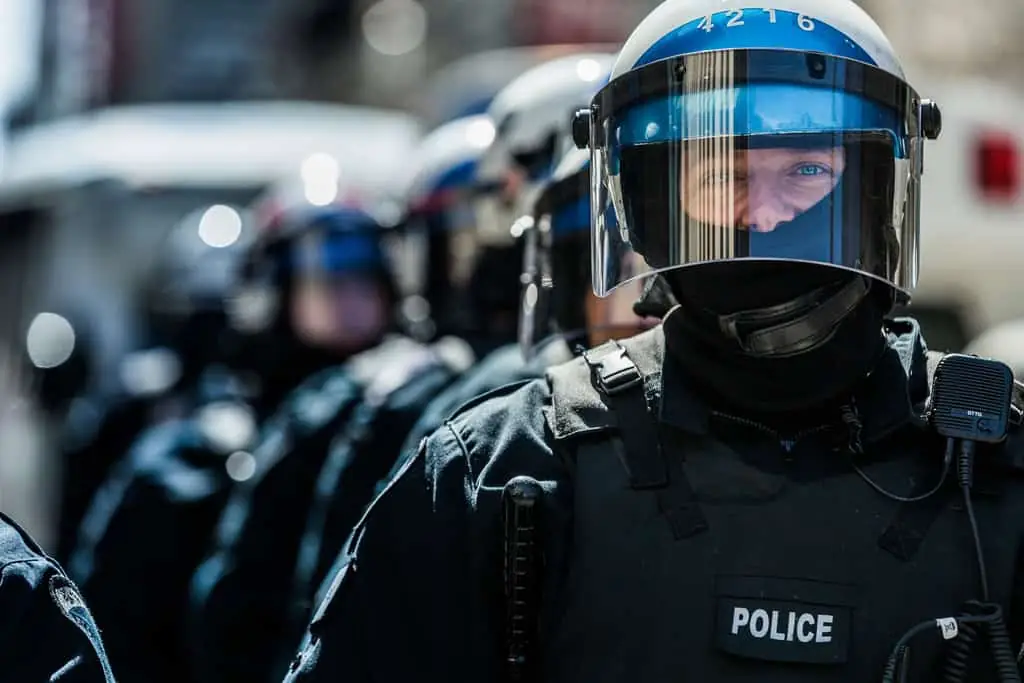
What is the BSCC?
The Board of State and Community Corrections (BSCC) is an independent state agency in California established to provide leadership and oversight to the adult and juvenile criminal justice systems. Its core mission is to improve public safety by supporting cost-effective, evidence-based strategies in local corrections. The BSCC is not a centralized hiring department for all corrections officers in the state; rather, it sets the standards, provides training, and ensures compliance for local county agencies, such as sheriff’s departments and probation offices.
The responsibilities of the BSCC are wide-ranging and integral to the functioning of California’s justice system. The agency develops and promulgates regulations for the construction and operation of local adult and juvenile detention facilities, conducting regular inspections to ensure they meet safety and operational standards. A significant part of its mandate involves administering public safety grants, directing state and federal funds to local entities to support innovative programs aimed at rehabilitation and reducing recidivism. Furthermore, the BSCC is a central hub for data, research, and technical assistance, offering expertise on a variety of community corrections issues to its stakeholders across the state. Through these functions, the BSCC plays a vital role in professionalizing the local corrections workforce and enhancing public safety.
For more information on corrections officer selection, visit our bscc practice test resource guide.
The Role of California BSCC in Corrections
The influence of the California BSCC is most directly felt through its Standards and Training for Corrections (STC) program. This program is responsible for setting the minimum selection and training standards for local corrections and probation officers. Instead of managing a single statewide corps of officers, the BSCC partners with local city and county agencies to ensure their personnel are qualified and well-trained. The STC program certifies training courses and instructors, providing a framework that local agencies use to develop their staff.
This decentralized model empowers local jurisdictions to manage their own facilities and personnel while adhering to a consistent, statewide standard of excellence. The BSCC provides technical assistance, curriculum development, and compliance reviews to support these local partners. This collaborative relationship ensures that whether an officer works for a large urban sheriff’s department or a small rural probation office, they receive a baseline of quality training rooted in evidence-based practices. This approach is fundamental to how the California BSCC upholds its mission of fostering a safe and effective corrections system throughout the state. Learn more about corrections practices and procedures on our comprehensive guide.
Preparing with a BSCC Practice Test
For many aspiring corrections professionals, the first major hurdle is the selection exam. Success on this test is critical, and preparation is key. A high-quality bscc practice test is an invaluable tool for any candidate. These practice exams are designed to mirror the format and content of the real test, giving applicants a significant advantage. By working through practice questions, candidates can familiarize themselves with the types of problems they will face, identify areas where they need more study, and develop effective time-management strategies for the day of the exam.
The benefits of using a practice test extend beyond simple familiarity. It helps demystify the examination process, reducing test anxiety and building confidence. A good practice test will cover the core competencies evaluated by the BSCC, including reading comprehension, logical reasoning, and the ability to apply rules and procedures—all of which are essential skills for a corrections officer. By simulating the testing experience, candidates can ensure they are fully prepared to demonstrate their capabilities and take a confident step toward their career goals. Access our bscc practice test to begin your preparation today.

Navigating the BSCC Exam
The official BSCC Selection Exam is a standardized, multiple-choice test developed for entry-level positions, including Adult Corrections Officer, Juvenile Corrections Officer, and Probation Officer. Local agencies participating in the STC program utilize this exam to ensure candidates possess the basic knowledge, skills, and abilities required for the job before they are hired. The exam typically takes about two and a half hours to complete and is administered in either a paper-and-pencil or computer-based format.
The content of the BSCC exam is based on a thorough job analysis of what is required of an officer on a day-to-day basis. It is not a test of specific agency policy but rather of foundational abilities. The test is divided into several sections that assess a candidate’s aptitude in areas such as:
Clarity and Grammar: Evaluating the ability to write clear and grammatically correct sentences, a crucial skill for report writing.
Reading Comprehension: Testing the ability to read and understand written passages, including rules, regulations, and inmate requests.
Applying Rules and Procedures: Assessing logical reasoning by requiring candidates to apply a given set of rules to a specific scenario.
Basic Math: Including simple addition and subtraction, which can be necessary for tasks like inmate counts or inventory management.
The BSCC provides a Candidate Orientation Booklet with sample questions to help applicants prepare for the structure and style of the exam.
Finding BSCC Jobs
When searching for BSCC jobs, it’s important to distinguish between two main career avenues. The first is direct employment with the BSCC agency itself, and the second is employment with a local county corrections or probation agency that adheres to BSCC standards.
Jobs directly with the state BSCC agency are typically analytical, administrative, or specialized. These positions support the agency’s oversight and leadership mission. Examples of such roles include:
Field Representative: A professional who provides training and technical assistance to local corrections agencies to ensure compliance with state standards.
Research Data Analyst/Specialist: An expert who collects and analyzes criminal justice data to evaluate programs and inform policy.
Associate Governmental Program Analyst: A role involving the analysis and support of various programs, including facility inspections and grant monitoring.
IT Specialist or Budget Analyst: Positions that support the internal operations of the agency.
The second and more common path is becoming a corrections officer, probation officer, or juvenile corrections officer at the local level. These positions are advertised and filled by county sheriff’s departments or probation departments. While the BSCC develops and provides the selection exam for these roles, the hiring process itself—including applications, interviews, and background checks—is managed by the local agency. Aspiring officers should look for openings on county job websites and be prepared to take the BSCC Selection Exam as part of that process.

Frequently Asked Questions
What is the BSCC?
The BSCC stands for the Board of State and Community Corrections. It is a California state agency responsible for providing leadership, setting standards, and offering training and funding for local adult and juvenile corrections systems, including county jails and probation departments.
How is the BSCC Grant Administration Guide used?
The BSCC Grant Administration Guide is a comprehensive manual for public agencies and community-based organizations that receive grant funding from the BSCC. It outlines the fiscal and programmatic rules they must follow to ensure proper management and compliance with the terms of their grant award.
What does the BSCC Candidate Orientation Booklet cover?
The BSCC Candidate Orientation Booklet is a resource for individuals preparing to take the entry-level selection exam for corrections or probation officer positions. It provides an overview of the exam’s content, presents sample questions and answers, and helps candidates understand what to expect on test day.
Are BSCC jobs only for Corrections Officers?
No. While the BSCC sets standards for local corrections officer jobs, the agency itself hires for a variety of state-level positions. These include roles in research, data analysis, grant management, field representation, and administration, all of which support the BSCC’s mission to oversee and improve local corrections.
How do I register for the BSCC exam?
Registration for the BSCC Selection Exam is typically handled by the local hiring agency (such as a county sheriff’s office or probation department) as part of their application process. Candidates apply for a specific job opening with a local agency, and that agency then directs qualified applicants to take the exam.
Conclusion
A career in corrections through the Board of State and Community Corrections offers a path of public service with diverse opportunities for growth and specialization. The BSCC stands at the center of California’s efforts to maintain a professional, effective, and evidence-based local corrections system. From setting the standards for officer training to funding innovative rehabilitation programs, the agency’s work is critical to public safety.
For those looking to enter the field, understanding the role of the BSCC is the first step. Whether you aspire to be a corrections officer serving your local community or an analyst shaping statewide policy, the journey requires dedication and thorough preparation. By utilizing resources like the Candidate Orientation Booklet and practice tests, candidates can position themselves for success on the BSCC Selection Exam and embark on a challenging and rewarding career.