
Hazardous materials (HazMat) play a pivotal role in modern industries, from healthcare to manufacturing and transportation. The safe management, handling, and cleanup of these materials is not just a regulatory obligation but a crucial aspect of public safety and environmental protection. HazMat training empowers individuals with the knowledge required to safely interact with, transport, and dispose of hazardous substances, reducing risks for workers and the community.
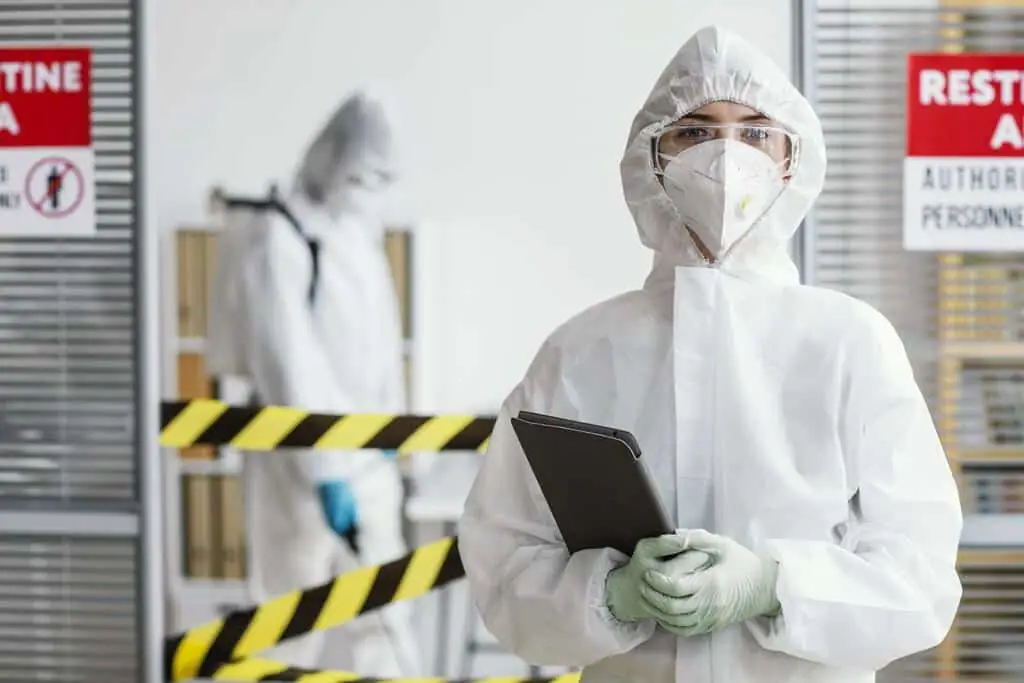
Understanding Hazmat Suit: Complete Protection and Classification Guide
A hazmat suit is a specialized piece of personal protective equipment (PPE) worn to shield individuals from dangerous chemicals, biological agents, or radioactive materials. Such suits are designed to offer a barrier against hazardous substances encountered in spills, leaks, or contamination zones. Exposure to toxic agents without this protection can have severe or fatal consequences.
Hazmat suits vary by level of protection. The highest level (Level A) provides a fully encapsulated environment for the wearer, including respiratory protection and reinforced gloves and boots. Common uses include chemical spill response, infectious disease control, and emergency hazardous waste operations. Lower protection levels are tailored to specific tasks and anticipated risks, with variations in material strength, permeability, and resistance to penetrative agents.
Each hazmat suit classification serves a distinct purpose in occupational and emergency response scenarios. Professional training ensures workers select the appropriate suit level based on specific hazards, exposure duration, and required task mobility. Proper fitting and maintenance of these suits is critical to their effectiveness in protecting personnel from contamination and health hazards.
Hazmat Essentials: Classification, Identification, and Transportation Safety Standards
Hazmat is a term that encompasses any substance or material capable of posing unreasonable risks to health, safety, or property when transported in commerce. HazMat includes chemicals, compressed gases, explosives, flammable liquids and solids, poisons, and radioactive materials.
Special HazMat training teaches individuals to:
Identify hazardous materials by their placards, documentation, and labeling
Safely handle materials according to type and exposure risk
Respond to incidents with protocol-driven emergency actions
Many industries, including emergency response, construction, and logistics, require comprehensive HazMat education to minimize workplace hazards and comply with Occupational Safety and Health Administration (OSHA) rules. Understanding material classifications helps prevent improper handling that could lead to spills, fires, or toxic exposures.
Professionals trained in hazmat protocols learn to recognize warning signs on containers, interpret safety data sheets, and implement proper containment procedures. This knowledge is essential for transportation workers, warehouse personnel, and emergency responders who may encounter hazardous materials in their daily operations.
Hazmat Biohazard Suit: Specialized Protection Against Infectious Agents and Pathogens
When working in environments with highly infectious pathogens or dangerous biological toxins, a hazmat biohazard suit is imperative. These suits are commonly used in laboratories, disease outbreak zones, and during decontamination operations. Their construction protects against both particulate and aerosolized infectious agents.
Choosing the correct biohazard suit involves understanding the nature of the biological hazard, the duration of exposure, and required mobility. Training programs demonstrate how to select, properly don, and safely remove these suits to avoid accidental exposure or contamination. The material composition and seal quality of biohazard suits directly impact protection effectiveness.
Healthcare workers, laboratory technicians, and hazmat specialists rely on biohazard suits during infectious disease response, research activities, and decontamination procedures. Proper protocols for doffing (removing) these suits are equally important as donning procedures, as improper removal can negate protection benefits and increase personal contamination risk.

Hazmat Waste Management: Proper Handling, Storage, Classification, and Compliant Disposal Methods
The proper management of hazardous waste is not just an environmental imperative but a legal requirement. Hazmat waste management training focuses on:
Classification and segregation of hazardous materials
Safe storage, containment, and tracking
Methods of disposal in accordance with environmental laws
Organizations must adhere to local, state, and federal guidelines to avoid fines, shutdowns, or environmental damage. Hazmat professionals are also trained to handle emergency leaks or waste spills efficiently and securely, protecting personnel and the surrounding ecosystem. Effective waste management protocols prevent environmental contamination and ensure regulatory compliance.
Documentation and tracking systems are critical components of hazmat waste management. Facilities must maintain detailed records of all hazardous materials received, processed, and disposed. Improper waste management can result in significant penalties and long-term environmental consequences affecting surrounding communities.
Hazmat Endorsement: CDL Requirements, Testing Process, and Professional Certification Standards
Obtaining a hazmat endorsement is mandatory for drivers transporting hazardous materials. The endorsement process involves rigorous background checks, fingerprinting, and a written knowledge exam. Training courses prepare candidates for these requirements by focusing on regulations, material handling, emergency response, and documentation best practices.
Certified drivers are responsible for:
Conducting vehicle safety checks
Understanding hazardous cargo placards
Immediate action during incidents
Maintaining detailed transport documentation
The hazmat endorsement represents a significant commitment to professional safety standards. Drivers must stay current with changing regulations and recertify periodically to maintain their endorsement status. This credential demonstrates competency in hazardous materials transportation and opens doors to higher-paying positions in the transportation and logistics industries.

Frequently Asked Questions
What is hazmat?
Hazmat refers to hazardous materials that pose risks to health, safety, or the environment during transportation, handling, or storage. These substances require special training, handling procedures, and regulatory compliance to ensure worker and public safety.
How to get hazmat endorsement?
Getting a hazmat endorsement requires background checks, a passing score on the written examination, and completion of relevant training on hazardous materials regulations. Applicants must also pass fingerprint-based background clearance and pass the TSA security threat assessment.
What is DOT hazmat training?
DOT hazmat training educates employees about Department of Transportation requirements for the safe handling, transport, and disposal of hazardous materials. This training covers material classification, proper documentation, emergency response procedures, and regulatory compliance standards.
What is a hazmat crew?
A hazmat crew is a specialized group of professionals trained to respond to hazardous materials incidents, including containment, cleanup, and decontamination. These teams work with emergency responders to safely manage chemical spills, biological hazards, and radioactive contamination.
How to get a hazmat certification?
Hazmat certification involves completing accredited training that covers regulations, safety measures, and emergency procedures relating to hazardous material handling. Certification requires passing competency assessments and staying current with ongoing education requirements.
Conclusion
HazMat training is vital for the safety and legal compliance of any organization or professional involved with hazardous materials. From donning a hazmat suit to properly transporting hazardous cargo, comprehensive training programs equip individuals with the skills to manage risks and emergencies effectively. Regular updates and recertifications ensure continued competence in this ever-evolving field. Investing in quality hazmat training protects employees, safeguards communities, and demonstrates corporate responsibility toward environmental stewardship.